
Practical Ways to Reduce Food Waste at Home
Reducing food waste at home is not only good for your wallet but also for the planet. Every year, a significant amount of food ends up in the trash, contributing to environmental problems like greenhouse gas emissions and wasted resources. Fortunately, with some thoughtful planning and simple habits, you can cut down on food waste effectively. Here are practical ways to get started.
Understanding Food Waste at Home
Food waste happens when edible food is thrown away rather than consumed. This can occur at various stages including purchasing, storing, cooking, or after meals. The good news is, much of this waste is avoidable. Taking small steps to be mindful about food can lead to big changes over time.
Plan Your Meals and Shopping
One of the best ways to reduce waste starts before you even enter the grocery store.
Make a Weekly Meal Plan
– Decide what meals you want to prepare for the week.
– Check your pantry and fridge to avoid buying duplicates.
– Write a detailed shopping list based on your plan.
Stick to Your Shopping List
Avoid impulse buys that may go unused. Sticking to a list helps you purchase only what you really need.
Buy Smart Quantities
Purchase perishable items in amounts that you can realistically consume before they spoil. Smaller packages or bulk buying only when you can freeze or preserve food can prevent waste.
Store Food Properly
Proper storage extends the lifespan of food, keeping it fresh longer.
Understand Storage Guidelines
– Keep fruits and vegetables in the right places, such as the fridge or countertop, according to their needs.
– Use airtight containers to maintain freshness for leftovers, chopped produce, and open packages.
– Store bread in a cool, dry place or freeze it to prevent mold.
First In, First Out (FIFO)
Organize your fridge and pantry so that older items are in front and newer purchases go to the back. This encourages using food before it expires.
Use Leftovers Creatively
Leftovers can be transformed into new meals instead of being discarded.
Repurpose Leftovers
– Add cooked vegetables to soups or stir-fries.
– Use stale bread for croutons or bread pudding.
– Turn overripe fruits into smoothies or baked goods.
Plan Leftover Days
Designate a day each week to eat leftovers, reducing the chance of food going to waste.
Monitor Expiration Dates Mindfully
Labels like “best by,” “use by,” and “sell by” can be confusing. Often, food is still safe to eat past these dates.
Use Your Senses
Check appearance, smell, and texture before discarding food. When in doubt, it’s better to be cautious, but many foods last longer than indicated.
Compost Food Scraps
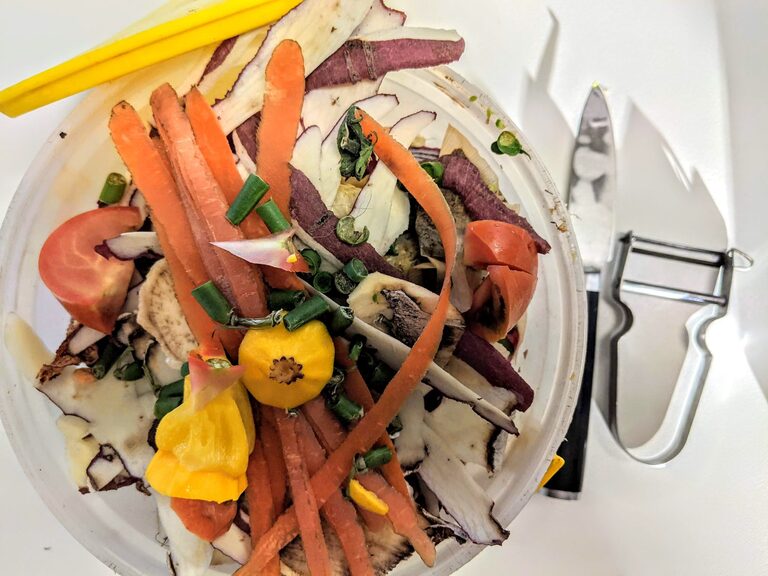
For food that truly can’t be used or eaten, composting is an eco-friendly alternative to trash disposal.
Start a Simple Compost Bin
– Collect vegetable peels, coffee grounds, eggshells, and other compostable scraps.
– Avoid meat, dairy, and oily foods that don’t compost well at home.
– Use compost in your garden or donate it if possible.
Tips for Reducing Food Waste at Dining Time
Food waste often happens right at the table. Here are ways to avoid that.
Serve Smaller Portions
You can always go back for seconds if needed. This reduces uneaten food left on plates.
Preserve Extras Properly
Store any uneaten food immediately in clear containers so you remember to use it later.
Encourage Mindful Eating
Teach family members, especially children, to appreciate food and only take what they can finish.
Conclusion
Reducing food waste is a positive step you can take at home with little effort. By planning meals, shopping smart, storing food properly, using leftovers creatively, and composting scraps, you can save money and contribute to a healthier planet. Start with one or two tips and build new habits over time. Every bit helps!
