How to Set Up a Family Command Center for Better Organization
Setting up a family command center is a smart way to bring order to the chaos of everyday life. It helps everyone stay organized, manage schedules, and keep track of important information in one convenient spot. Whether you have children, work commitments, or just want an easier way to coordinate, a family command center can make a big difference.
In this guide, we’ll walk you through how to create a functional and attractive family command center tailored to your household’s needs.
What Is a Family Command Center?
A family command center is a dedicated space in your home designed to help you organize calendars, to-do lists, mail, keys, and other essentials. Think of it as a central hub where everyone can check schedules, find reminders, and stay updated.
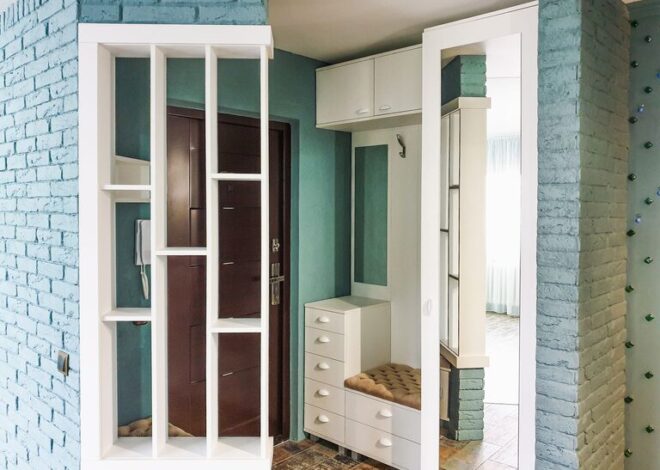
Common locations include the kitchen, entryway, or hallway—anywhere the family frequently passes through.
Benefits of a Family Command Center
– Improved communication: Everyone sees schedules and plans in one place.
– Reduced clutter: Keeps important papers and items organized.
– Enhanced time management: Helps family members stay on track with appointments and deadlines.
– Less stress: Clear information reduces forgotten tasks and last-minute scrambles.
Step 1: Choose the Right Location
Selecting the ideal spot is critical for your command center’s effectiveness.
Tips for choosing a space:
– High traffic area: Place it where family members pass daily.
– Visibility: Choose a wall or surface that’s easy to see and access.
– Space availability: You don’t need a lot of room; a small corner or section of wall can work.
Popular options include a section of the kitchen wall, near the front door, or a hallway nook.
Step 2: Determine What You Need
Your family’s needs will dictate what to include in your command center. Common components include:
– Calendar: Paper or digital, for tracking appointments and events.
– To-do list: A whiteboard or chalkboard for daily tasks.
– Mail organizer: Slots or baskets for incoming and outgoing mail.
– Key hooks: A place to hang keys so they don’t get lost.
– Notepad: For quick notes or grocery lists.
– Charging station: A spot for phones and devices.
– Message area: Sticky notes or a corkboard for reminders.
Consider the size of your family and particular needs when deciding on features.
Step 3: Gather Supplies
Once you know what you want, gather materials and tools.
Suggested items:
– Wall calendars or planners
– Whiteboard or chalkboard with markers
– Mail holders or wall pockets
– Key hooks or small hangers
– Corkboard or magnetic board
– Small baskets or trays
– Label maker or stickers for organization
– Clipboard or folders for important papers
– Hooks or shelves as needed
You can find most supplies at home goods stores, office supply stores, or online.
Step 4: Design Your Layout
A well-organized design helps your command center look neat and be easy to use.
Tips for layout:
– Keep frequently used items at eye level.
– Group similar items together, such as calendars and schedules.
– Use vertical space to maximize room.
– Use labels to clearly identify areas and avoid confusion.
– Leave space for adding new items or notes.
Sketch a rough layout before installing, or use design apps to visualize.
Step 5: Install and Customize
Install your supplies securely using nails, hooks, or adhesive strips, depending on your wall type. Customize the space with family photos, artwork, or color-coordinated supplies to make it inviting.
Step 6: Create and Maintain a Routine
A command center is only useful if everyone uses it regularly.
– Set a time daily or weekly to update calendars and lists.
– Encourage family members to check the center when entering or leaving.
– Assign responsibility for managing mail and messages.
– Keep supplies replenished and the area tidy.
Bonus Tips for Success
– Use color coding for each family member on calendars and to-do lists.
– Integrate digital tools or apps for shared calendars, if desired.
– Add a small seating area or bench nearby for putting on shoes or sorting mail.
– Include inspirational quotes or family goals to keep motivation high.
Example Setup Ideas
– Kitchen Command Center: Wall calendar, magnetic board for reminders, mail slots, and key hooks near the back door.
– Entryway Command Center: Small shelf with baskets for school papers, a charging station, and a whiteboard for quick notes.
– Hallway Command Center: Large corkboard with schedules, a folder system for bills and forms, and hooks for backpacks.
Final Thoughts
A family command center can simplify daily life and reduce stress by bringing all the important information into one easy-to-access spot. With just a little planning and creativity, you can design a space that works perfectly for your household. Start small and build your command center over time — the key is consistency and making it part of your daily routine.
By following these steps, you’ll enjoy smoother coordination, better communication, and more organized days ahead. Happy organizing!