
Beginner Tips for Composting at Home: Easy Steps to Get Started
Composting at home is a rewarding way to reduce waste, enrich your garden soil, and contribute to a healthier environment. If you’re new to composting, it can feel a bit overwhelming at first. But with some easy-to-follow tips and a bit of patience, you can start composting successfully right in your backyard or even on a small balcony.
In this post, we’ll walk you through beginner-friendly advice to help you set up and maintain your compost pile or bin. Let’s dive into the basics!
What Is Composting?
Composting is the natural process of recycling organic material, like food scraps and yard waste, into a rich soil amendment called compost. This dark, crumbly material helps plants grow by improving soil structure and providing essential nutrients.
Why Start Composting at Home?
– Reduces landfill waste: Food scraps and yard clippings make up a large portion of household waste.
– Saves money: You can grow healthier plants without buying expensive fertilizers.
– Promotes sustainability: Composting lowers greenhouse gas emissions associated with organic waste in landfills.
Getting Started: Choose Your Composting Method
There are several ways to compost at home. Pick the one that fits your space and lifestyle best:
– Compost bin: A container that holds organic waste and speeds up decomposition.
– Compost pile: Open-air heaps of organic material, ideal for larger yards.
– Vermicomposting: Using worms to break down food scraps, great for small spaces.
Step 1: Set Up Your Composting Area
– Location: Find a dry, shaded spot near a water source. Good airflow helps decomposition.
– Container: If you use a bin, it can be plastic, metal, or wood. Many garden centers sell compost bins designed for easy turning and aeration.
– Size: A pile or bin about 3 feet wide and 3 feet tall works well for balanced decomposition.
Step 2: Know What to Compost
Compost needs a balance of “greens” and “browns” for best results:
Greens (Nitrogen-rich materials)
– Fruit and vegetable scraps
– Coffee grounds and tea bags
– Fresh grass clippings
– Plant trimmings
Browns (Carbon-rich materials)
– Dry leaves
– Straw or hay
– Cardboard and paper (shredded)
– Wood chips and sawdust (untreated)
Materials to Avoid
Avoid meat, dairy, oily foods, pet waste, and diseased plants as they can attract pests or cause odors.
Step 3: Build Your Compost Pile Correctly
– Start with a layer of coarse browns like straw or small branches for aeration.
– Alternate layers of greens and browns, aiming for roughly 2:1 browns to greens by volume.
– Keep the compost moist, like a wrung-out sponge — not soaking wet but not dry.
– Turn the pile regularly (every 1-2 weeks) to provide oxygen and speed decomposition.
Step 4: Maintain Your Compost
– Monitor moisture: If it’s dry, add water. If it’s too wet, add dry browns and turn.
– Turn your compost: This helps prevent odor and encourages breakdown.
– Be patient: Compost can take a few months to a year, depending on conditions.
Step 5: Know When Your Compost Is Ready
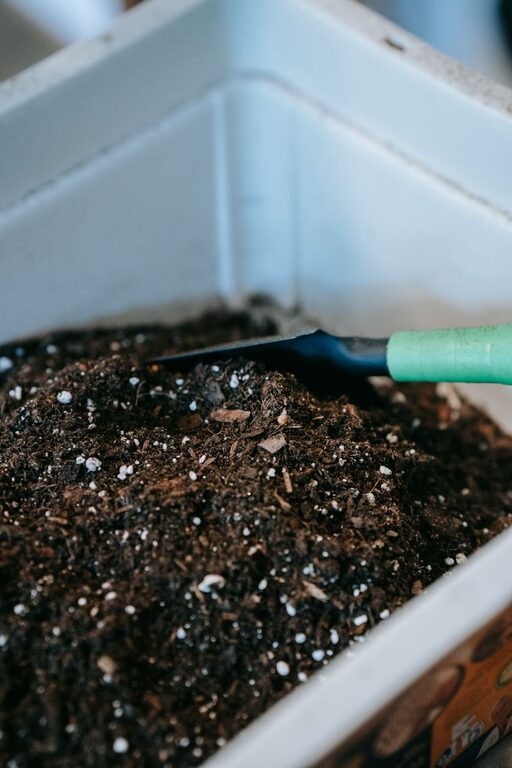
Finished compost looks dark, crumbly, and earthy-smelling. You shouldn’t be able to recognize the original scraps. Use it to:
– Enrich garden beds
– Improve potted plant soil
– Mulch around trees and shrubs
Troubleshooting Common Composting Issues
| Problem | Cause | Solution |
|——————-|——————————–|———————————|
| Smelly compost | Too much green material or wet | Add browns and turn pile |
| Slow decomposition | Pile too dry, compacted, or small | Water, aerate, add more material |
| Pests | Food scraps like meat or dairy | Avoid these items, cover food scraps |
Tips for Small Space Composting
– Use a worm bin (vermicomposting) indoors or on a balcony.
– Try a bokashi bin, a fermentation method that works in small containers.
– Collect scraps in a sealed container before adding to compost to control odors.
Final Thoughts
Starting composting at home is easier than you might think, and every bit of organic waste you recycle helps both your garden and the planet. Remember to be patient, keep a good balance of materials, and enjoy the process of turning waste into valuable compost.
Happy composting!
