
How to Plan Balanced Meals Without Stress: Easy Tips for Every Day
Planning balanced meals doesn’t have to be complicated or stressful. With a few practical strategies and some organization, you can create nutritious, satisfying meals that support your health and fit your schedule. Whether you cook every day or prefer batch cooking, this guide will help you simplify meal planning and enjoy eating well without the hassle.
What is a Balanced Meal?
A balanced meal contains the right proportions of different food groups to provide your body with essential nutrients. Typically, a balanced plate includes:
– Protein: Supports muscle repair and growth (e.g., chicken, beans, tofu, fish)
– Carbohydrates: Provide energy (e.g., whole grains, starchy vegetables)
– Healthy Fats: Support brain health and absorb vitamins (e.g., olive oil, nuts, avocados)
– Vegetables and Fruits: Provide fiber, vitamins, and minerals
– Hydration: Drinking water or healthy beverages alongside your meals
Each meal might not have to perfectly hit every category, but aiming for a variety across the day will help maintain balance.
Why Planning Meals Matters
Meal planning helps you:
– Save time and reduce daily decision-making
– Avoid last-minute unhealthy choices
– Manage your grocery shopping efficiently
– Control portion sizes and nutritional content
– Reduce food waste by using ingredients thoughtfully
By taking a little time upfront to plan, you set yourself up for easier, healthier eating throughout the week.
Simple Steps to Plan Balanced Meals Without Stress
1. Start with Your Weekly Schedule
Look at your week ahead. Note days when you’ll be busy or eating out. This helps you decide how many homemade meals you need to plan and which meals might require quick preparation.
2. Choose Your Meals Wisely
Pick recipes or meal ideas based on:
– Your preferences: Include foods you enjoy to keep motivation high.
– Seasonal ingredients: They are often fresher and more affordable.
– Ease of preparation: Have a mix of quick meals and those that can be batch cooked.
– Nutritional balance: Aim for a mix of protein, carbs, and vegetables.
3. Use a Template or Meal Planning Tool
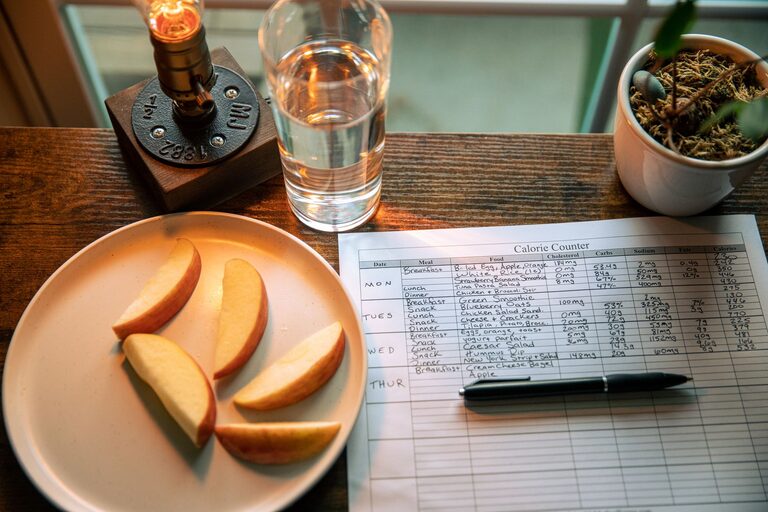
Keep things simple with a meal planner template or an app. Allocate meals to each day, including breakfasts, lunches, dinners, and snacks if you like. This visual plan reduces last-minute guesswork.
4. Create a Smart Grocery List
Based on your meal plan, write down the ingredients you need. Organize the list by store sections (produce, dairy, pantry) to make shopping faster and reduce the chance of forgetting items.
5. Prep Ingredients in Advance
Spend some time after shopping to wash and chop vegetables, cook grains, or portion snacks. Prepping ingredients ahead saves time during hectic days and encourages healthy choices.
6. Keep Basics on Hand
Stock your pantry and fridge with versatile staples like:
– Canned beans and tomatoes
– Whole grains (brown rice, quinoa, oats)
– Frozen vegetables and fruits
– Nuts, seeds, and healthy oils
Having these items ready makes it easier to build balanced meals on the fly.
Tips to Make Balanced Meal Planning Easier
Plan for Leftovers
Cook larger portions of dinner so you can enjoy leftovers for lunch or freeze them for another day. This approach saves time and reduces food waste.
Mix and Match Components
Create meals by combining proteins, vegetables, and carbs in different ways. For example, roasted chicken can be paired with quinoa and steamed broccoli one night, and with a salad and sweet potatoes the next.
Keep Recipes Simple
Balanced meals don’t have to be gourmet. Simple dishes like stir-fries, grain bowls, or omelets can be nutritious and quick to prepare.
Listen to Your Body
Sometimes hunger or preferences change. If you’re not in the mood for a planned meal, swap it with another or have a healthy backup option available.
Don’t Strive for Perfection
Remember that balance is about overall patterns, not every single meal. It’s okay to enjoy treats or less balanced meals occasionally.
Sample One-Day Balanced Meal Plan
– Breakfast: Greek yogurt with mixed berries, a handful of nuts, and a drizzle of honey
– Lunch: Quinoa salad with chickpeas, cucumber, tomatoes, spinach, feta, and olive oil dressing
– Snack: Apple slices with peanut butter
– Dinner: Grilled salmon, roasted sweet potatoes, and steamed green beans
– Hydration: Water or herbal tea throughout the day
Final Thoughts
Planning balanced meals can feel overwhelming at first, but breaking it down into manageable steps makes it much easier. Focus on variety, preparation, and flexibility to create a routine that works for you. With practice, meal planning becomes a natural part of your week, helping you maintain good nutrition and enjoy your food without stress.
Happy meal planning!
